
Testosterone.Great again.


What's Included?
Physician review & Rx
A licensed M.D. reviews your intake. If approved, you get a prescription.
Enclomiphene Pills
90-day supply delivered to your door quarterly.
Monitoring & dose adjustments
Ongoing physician follow-up and dose adjustments as needed.
When testosterone is where it should be
When clinically low testosterone is treated properly, a lot of men notice the same pattern: more in the tank, clearer in the head and more present in their lives.
These are commonly reported shifts by patients.

More real energy
Less dragging through the day, more steady fuel from morning to night. Not wired, just not wiped out all the time.

Better sex drive and performance
Stronger libido and more reliable performance, which often means less stress and more connection in your relationship.

Mood and confidence lift
Less flat, irritable or checked out; more stable mood and a quieter, steadier sense of confidence.

Sharper focus
Easier to lock in, finish tasks, and stay on top of work instead of feeling foggy or scattered.

Motivation + drive lift
Easier to show up, follow through and keep momentum, instead of starting strong and fading out.

Body composition & sleep
Improved ability to manage fat gain, plus better quality sleep for many men – which loops back into energy and performance.
What the research shows

Up to 30% of men 40–79 live with testosterone deficiency
Large population studies have found that roughly one in three men between 40 and 79 meet lab criteria for testosterone deficiency when you combine blood tests with symptoms like low energy, low sex drive, and reduced strength. Most of them just call it “getting older” and never get a proper workup.

Testosterone can fall about 1% every year after your 30s
Long-term studies following thousands of men show that testosterone doesn’t suddenly crash; it quietly slides down by around 1% per year from your 30s or 40s onward. You don’t notice one year, but over a decade that can mean a double-digit drop in the hormone that drives energy, mood, and muscle.

Around 4 in 10 men over 45 show signs of low testosterone
Some research suggests roughly 40% of men over 45 have lab evidence of low testosterone, but only a smaller slice have clear symptoms and even fewer ever talk to a doctor about it. Fatigue, low drive, and brain fog get written off as stress, work, or kids, not something you can actually measure and treat.

Hypogonadism is one of the most common hormone issues in men
Across countries and study designs, the numbers vary, but many converge on the same range: about 1 in 5 to 1 in 3 middle-aged men meet criteria for low testosterone. The exact figure matters less than the point: if you feel off, you’re not an exception, you’re the norm these studies describe.
The 3 Easy Steps

Medical intake
Complete a secure medical questionnaire from home.

Physician review & prescription
A licensed U.S. physician reviews your intake. Not approved? Full refund.
Start Treatment
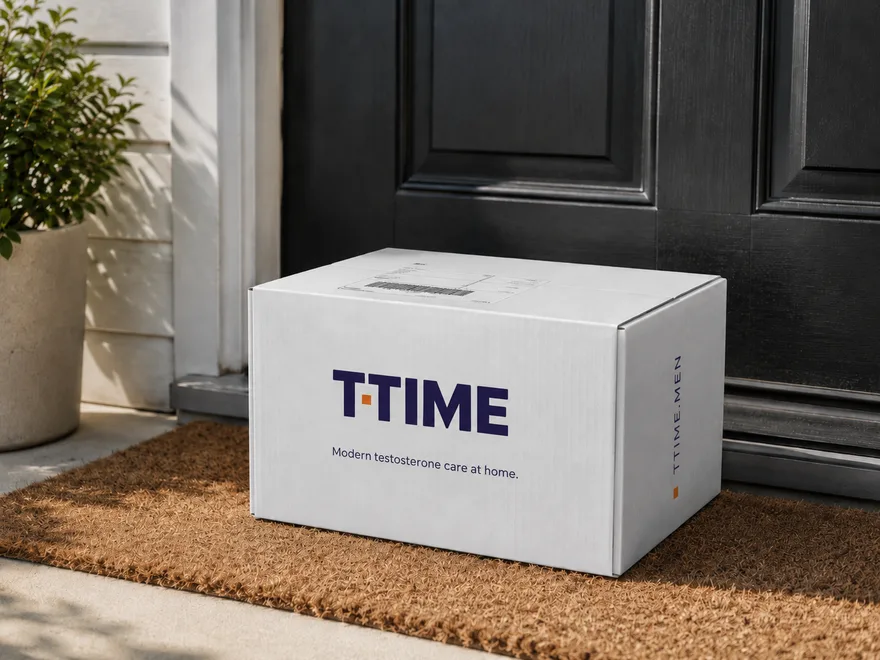
90-day supply of oral enclomiphene — shipped to your door.
FAQ
Questions most guys ask before getting serious about their testosterone. Not a medical advice.
Neither. It’s a prescription medication. Requires a licensed physician review and approval before use.
TRT adds external testosterone. This suppresses LH and FSH, which shuts down your body’s own production. Enclomiphene blocks estrogen feedback at the hypothalamus. This increases LH and FSH, which signal your testes to produce testosterone. It works through your HPG axis instead of replacing it.
You complete a short secured medical intake form. A U.S.-licensed physician reviews your indicators online. If treatment is medically appropriate, your prescription ships to your door. If you’re not eligible for treatment, you will be refunded. After 3 months a monitoring free visit will be arranged to make sure the treatment is beneficial.
If you’re not approved, you will be refunded. The physician may explain why and suggest next steps.
Testosterone boosting can be safe and effective for the right men under proper medical supervision, but it isn’t risk-free. That’s why we review your history and schedule twice-a-year follow-ups for dose adjustments and monitoring. Your doctor will walk you through potential risks and side effects before setting a medium term plan.
Possible side effects include headaches, mood changes, nausea, and vision issues. Not common, but can happen. Your case is reviewed and monitored by a physician. If something doesn’t feel right, you’ll be able to reach out and adjust the plan.
Some notice changes within a few weeks. Most see results after 4–8 weeks. Full effect is usually evaluated around 3 months.
Some plans may cover related labs, but the medication itself is typically out of pocket. Coverage varies, so you’d need to check your specific plan.
Cancel anytime before your medication is dispensed. If your physician has already issued a prescription, a $35 physician consultation fee will be deducted from any refund.
TRT replaces your testosterone. Your body slows or stops producing its own. Fertility can be affected. Enclomiphene works with your body. It signals natural testosterone production instead of replacing it. No injections. Oral treatment. Learn more here